Uncategorized

Trade Corridor Efficiency Benchmarking (2023–2024

Executive Overview Ghana’s role as a regional trade facilitator hinges on the performance of its two primary corridors: Tema–Ouagadougou and Takoradi–Abidjan. This benchmarking report evaluates both routes across key metrics including transit time, cost efficiency, infrastructure quality, and customs coordination. Between 2023 and 2024, the Tema–Ouagadougou corridor maintained its dominance in cargo volume and reliability, while Takoradi–Abidjan showed notable improvements in cross-border processing and road upgrades. The Tema–Ouagadougou corridor, which serves landlocked Burkina Faso, recorded an average transit time of 6.2 days for containerized cargo, with clearance delays concentrated around Paga and Hamile border posts. Despite its higher throughput, the corridor faces challenges with road congestion near Accra and inconsistent weighbridge enforcement. However, recent investments in the Eastern Corridor Road and the expansion of inland container depots have helped reduce bottlenecks and improve cargo tracking. In contrast, the Takoradi–Abidjan corridor, though historically underutilized, saw a 22% increase in cargo movement during the review period. This growth is attributed to improved road surfacing along the Elubo–Axim stretch and enhanced customs interoperability with Côte d’Ivoire. Average transit time dropped to 5.4 days, making it a competitive alternative for shippers seeking faster turnaround and lower congestion risk. The corridor also benefits from proximity to emerging industrial zones in the Western Region, which are increasingly integrated into regional supply chains. Cost benchmarking revealed that Tema–Ouagadougou remains slightly more expensive per ton-kilometer due to higher port handling fees and inland transport charges. However, its reliability and digital tracking systems offer greater predictability for high-value cargo. Takoradi–Abidjan, while cheaper, still faces gaps in digital documentation and last-mile logistics, particularly for perishable goods. The report recommends harmonized corridor policies under ECOWAS protocols, expanded use of electronic transit systems, and targeted investment in border infrastructure. It also calls for public-private partnerships to scale inland logistics hubs and improve driver training and safety compliance. In summary, Ghana’s trade corridors are evolving into strategic arteries for West African commerce. While Tema–Ouagadougou leads in volume and infrastructure maturity, Takoradi–Abidjan is emerging as a viable alternative with growing efficiency and regional relevance. This benchmarking provides a data-driven foundation for corridor optimization, stakeholder coordination, and investment planning. Pie Chart for Cargo Volume Share 68% Tema–Ouagadougou 32% Takoradi–Abidjan Expert Quote from Nana Boateng, Logistics Consultant, ECOWAS Trade Observatory Corridor efficiency isn’t just about speed — it’s about predictability, interoperability, and trust across borders. Download report

Trade Corridor Efficiency Benchmarking (2023–2024 Read More »
Climate Risk Assessment for Coastal Assets

Executive Overview Ghana’s coastal infrastructure faces mounting climate risks that threaten the resilience of its maritime economy, urban settlements, and ecological zones. The Climate Risk Assessment for Coastal Assets provides a comprehensive evaluation of sea-level rise, erosion patterns, storm surge exposure, and infrastructure vulnerability across key coastal regions including Accra, Tema, Takoradi, and Ada. Drawing on satellite imagery, GIS mapping, and hydrodynamic modeling, the report identifies high-risk zones and proposes adaptation strategies to safeguard port facilities, roads, housing, and fisheries. Between 2023 and 2025, Ghana experienced a measurable increase in tidal anomalies and shoreline retreat, with erosion rates exceeding 1.5 meters per year in parts of the Volta Delta and Western Region. Port infrastructure, especially bulk terminals and access roads, showed signs of structural stress due to saltwater intrusion and foundation destabilization. The assessment highlights that over 40% of Ghana’s coastal assets are located within zones classified as “high exposure,” with Tema and Takoradi ports ranking among the most vulnerable due to their proximity to low-lying floodplains and aging drainage systems. The report also examines the socioeconomic impact of climate threats, noting that over 2 million people live within 5 kilometers of Ghana’s coastline, many of whom depend on fishing, trade, and tourism. Displacement risks, loss of livelihoods, and infrastructure damage could compound existing development challenges unless proactive measures are taken. Recommended interventions include shoreline reinforcement using eco-engineering techniques, relocation of critical assets, and integration of climate resilience into port master plans and urban zoning regulations. A key innovation in the assessment is the use of a Coastal Resilience Index, which scores each region based on exposure, adaptive capacity, and institutional readiness. Greater Accra scored moderately due to its planning frameworks and early warning systems, while the Volta Estuary and Western enclaves scored lower due to limited infrastructure and fragmented governance. The report calls for a national climate adaptation fund and inter-agency coordination to accelerate implementation of resilience measures. In summary, the Climate Risk Assessment for Coastal Assets underscores the urgency of climate-proofing Ghana’s maritime infrastructure. It offers a data-driven foundation for policy reform, investment prioritization, and community engagement. As climate volatility intensifies, Ghana’s ability to adapt will define the sustainability of its coastal economy and the safety of its shoreline communities. Population at Risk by Proximity to Coastline 40% 1 – 3km 20% 3-5km 15% More than 5km 25% Less than 1km Expert Quote from Dr. Selorm Tetteh, Coastal Engineer, Coastal Resilience Lab Coastal resilience isn’t a luxury — it’s a frontline defense for Ghana’s maritime economy and the millions who depend on it. Download report

Climate Risk Assessment for Coastal Assets Read More »

Port Community Systems: Adoption Roadmap

Executive Overview Ghana’s roadmap for adopting Port Community Systems (PCS) marks a pivotal shift toward digital integration and operational transparency across its maritime logistics chain. As global trade accelerates and regional competition intensifies, the need for a unified digital platform that connects port stakeholders — from customs and shipping agents to freight forwarders and terminal operators — has become increasingly urgent. The PCS initiative, spearheaded by the Ministry of Transport in collaboration with UNCTAD and the Ghana Ports and Harbours Authority, aims to streamline cargo handling, reduce clearance times, and improve data visibility across Tema and Takoradi ports. The roadmap outlines a phased implementation strategy beginning with stakeholder mapping and needs assessment, followed by system architecture design and pilot deployment. Phase I, completed in late 2023, identified over 40 active stakeholder groups and revealed critical gaps in data interoperability, document standardization, and real-time tracking. Phase II, launched in early 2024, focused on building a modular PCS framework capable of integrating customs declarations, vessel scheduling, gate operations, and inland transit documentation. One of the most transformative aspects of the PCS rollout is its emphasis on automation and predictive analytics. By digitizing cargo manifests and synchronizing vessel arrival data with customs clearance protocols, the system is expected to reduce average dwell time by up to 35% over the next two years. Early pilot results from Tema Port show promising reductions in manual processing errors and improved coordination between shipping lines and inland transport providers. The roadmap also addresses policy harmonization and legal frameworks, recommending updates to Ghana’s maritime regulations to support electronic documentation, data privacy, and cross-border interoperability. A PCS governance board has been proposed to oversee compliance, system upgrades, and stakeholder training, ensuring that the platform evolves with industry needs. In summary, the PCS Adoption Roadmap represents a strategic leap toward smarter, more efficient port operations in Ghana. By aligning digital infrastructure with policy reform and stakeholder engagement, the initiative positions Ghana to lead regional efforts in trade facilitation and maritime innovation. The success of this roadmap will depend not only on technical execution but also on sustained collaboration across public and private sectors. Pie Chart Distribution For The Report 20% Customs Division 15% Ghana Ports & Harbor Auth 15% Freight Forwarders 12% Shipping Lines 5% Regulatory Agencies 5% Others 8% Tech Vendors (e.g., GCNet) 10% Terminal Operators 10% Logistics Providers Expert Quote from Adwoa Mensimah, Trade Facilitation Advisor, UNCTAD “Digitizing Ghana’s port ecosystem isn’t just about speed — it’s about trust, transparency, and regional competitiveness.” Download report

Port Community Systems: Adoption Roadmap Read More »

2024 Ghana Maritime Sector Performance Report

Executive Overview Ghana’s maritime sector demonstrated notable resilience and strategic growth between January and September 2024, despite persistent global headwinds including inflationary pressures, energy cost volatility, and geopolitical disruptions. The country’s two primary ports — Tema and Takoradi — recorded a combined cargo throughput increase of 5.1% compared to the same period in 2023. This growth was largely driven by a surge in export volumes, which rose by an impressive 30.7%, offsetting a 6.9% decline in imports. The export boom was anchored by strong performance in gold bullion, crude petroleum, and cocoa products, which together accounted for over 78% of total export value. Transit and transshipment trade also saw significant expansion, with volumes rising by 58.8%. This reflects Ghana’s strengthening role as a regional trade facilitator for landlocked neighbors such as Burkina Faso, Mali, and Niger. Improvements in corridor infrastructure, customs digitization, and port handling efficiency contributed to this upward trend, positioning Ghana as a competitive gateway within the ECOWAS region. Tema Port continued to lead in operational throughput, benefiting from recent automation upgrades that reduced average vessel turnaround time to 36 hours. Takoradi Port, while slightly behind at 42 hours, showed steady improvement through targeted investment in bulk handling and offshore support services. The Ghana Ports and Harbours Authority reported that private sector participation now accounts for 59% of total infrastructure investment, reflecting a shift toward public-private partnerships in port development. Shipping agents maintained stable performance across trade categories, with containerized cargo showing the highest reliability metrics. However, challenges persist in harmonizing documentation standards and improving last-mile logistics, particularly for inland transit routes. In summary, Ghana’s maritime sector in 2024 reflects a dynamic blend of growth, reform, and strategic positioning. While export strength and regional facilitation are clear highlights, the sector’s long-term competitiveness will depend on continued investment in infrastructure, digital systems, and policy alignment. This report provides a foundation for stakeholders to assess progress, identify gaps, and align future initiatives with Ghana’s broader trade and development goals. Pie Chart Distribution For The Report 55.3% Gold Bullion 17.8% Crude Petroleum Oils 8.4% Cocoa Beans & Paste 3.6% Other 6.1% Timber & Wood Exports 5.2% Aluminum & Bauxite 3.6% Fish & Seafood Expert Quote from Kwesi Aboagye, Maritime Analyst, HarborLink Analytics Ghana’s maritime sector is no longer just a gateway — it’s becoming a strategic anchor for regional trade resilience. Download report

2024 Ghana Maritime Sector Performance Report Read More »

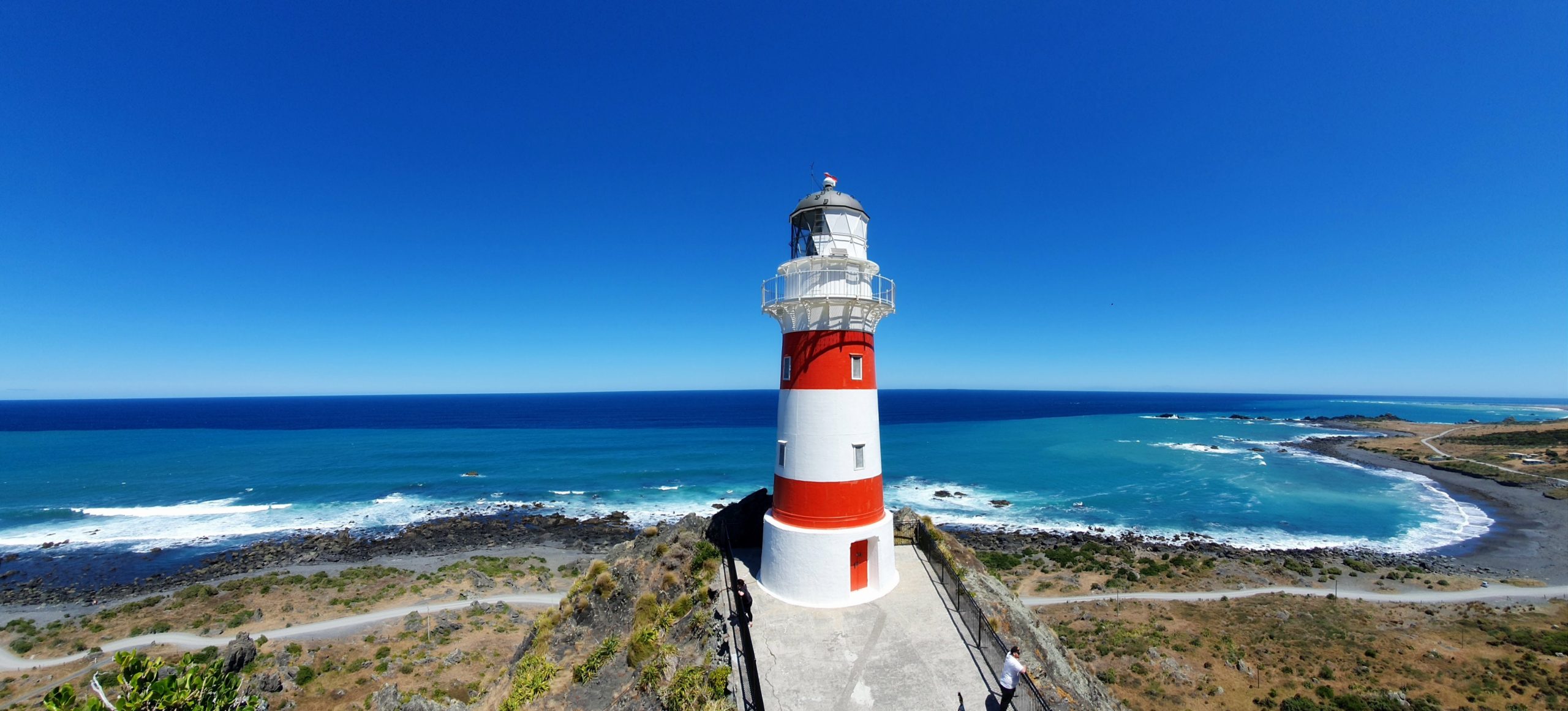
Lighthouse

Photo by Howard Follas on Unsplash Because of technology Lighthouses are not popular these days, but it was quite popular in ancient days because it was used as one of the instruments to warn Seamen of dangers and also serve as a navigational aid. I will define Lighthouse as any tall structure that is close to a water body that produces and discharges light from within to serve as a navigational aid for pilots at sea or on inland water. Lighthouses that are operational are few because of the expenses of maintaining them and most are now seen as monuments around the world. Did you know that the earliest first known lighthouse(Pharos of Alexandria) was built in Egypt over 2000 years ago? It was named as one of the  tallest man-made structures and the Seven Wonders of the ancient world. The lighthouse was destroyed by encroachers and earthquakes. The oldest existing lighthouse is The Tower of Hercules(La Coruña) which is located in Spain. It had and still serving as a landmark and a lighthouse for centuries. It is being used in giving signals to the maritime, which is a testimony to the present use of ancient civilization in navigation and also helps in understanding the routes of the Atlantic Sea in Eastern Europe. Lighthouses are unique architecture, I always wanted to climb one and see how wonderful it is. Looking forward to your thoughts in the comment section.

Lighthouse Read More »

Mooring Rope

Mooring is the act of tethering or tying a vessel to a secured object in order for it not to shift when it is berthed(parked). The object used in performing mooring is a rope. A mooring rope/line can be made of either a chain, wire or synthetic fibre and it can also be made with all these materials combined.  A chain is the heaviest of the mooring lines and is mostly useful for long term mooring. It is suitable for shallow waters. Because of its low elasticity, it is able to hold out against strong force for a long time. A wire can be made of a spiral strand, a multiple strand rope or a six-strand of rope and it’s a bit lighter and stretches than a chain line and it’s fit for deeper waters. Because of its features, the vessel might not be stable as compared to how chain wire will hold a vessel. The most commonly used mooring rope is synthetic fibre. The synthetic fibre is highly lightweight and elastic which makes it buoyant(float) when in water. They are usually used in waters which is higher depth. It consists of polyester, polypropylene, polyethene, and polyamide. A synthetic fibre rope can either consist of any one of these fibres or all of them put together. Quality mooring ropes require to be lightweight, chemical resistant, UV stabilized and high strength. Know that each type of rope is used differently based on these factors, the weather of the port at the particular time, the depth of the weather, the waves, tides, currents or the surge from a passing vessel and the type of ship.

Mooring Rope Read More »

Musical improvisation is the spontaneous music

It was one of the worst storms to hit London since God knows when. The thunder rolled, lightning flashed and the rain hammered into the roof. There’s something about a storm that brings a sense of doom. It fitted so perfectly. When the ITV news flash sign came on the TV screen everyone looked up. When the flash sign was immediately followed by a still of Elvis Presley, a quiet voice breathed, “Oh, my God.” “Reports are coming in that Elvis Presley, the rock and roll singer, died this evening at his home in Memphis, Tennessee.” We all looked at each other in disbelief. “Elvis is dead!” It didn’t seem quite credible. And yet it wasn’t the kind of shock that followed the news of J.F.K. being cut down. There had been so much speculation about Presley’s mental and physical health that his death was unpleasantly predictable. It was almost impossible to know what to think. My first impulse was to pick up the phone and call a couple of people. I tried two numbers, but they were both busy. Obviously other people had reacted the same way. It was the kind of news that demanded to be passed on. Elvis had always been there. For more than two decades he’d maintained a unique position in too many people’s lives. Despite all the depressing rumours it scarcely seemed possible that he’d gone, that Elvis Presley was dead at 42. I guess the only word I can use is numb. Numb, and just very slightly embarrassed at the way I was reacting. It wasn’t the ordinary kind of grief that you feel for a personal friend. There was no voice telling me that I’d never see Elvis Presley again. Jesus Christ, I’d never seen him, ever. I didn’t even regret that I’d never get the chance to see him. The Elvis Presley I’d have given my right arm to watch was the wild hoodlum in the gold jacket who vanished into the US Army and never returned. I’d mourned his passing many years ago.

Musical improvisation is the spontaneous music Read More »

Scroll to Top