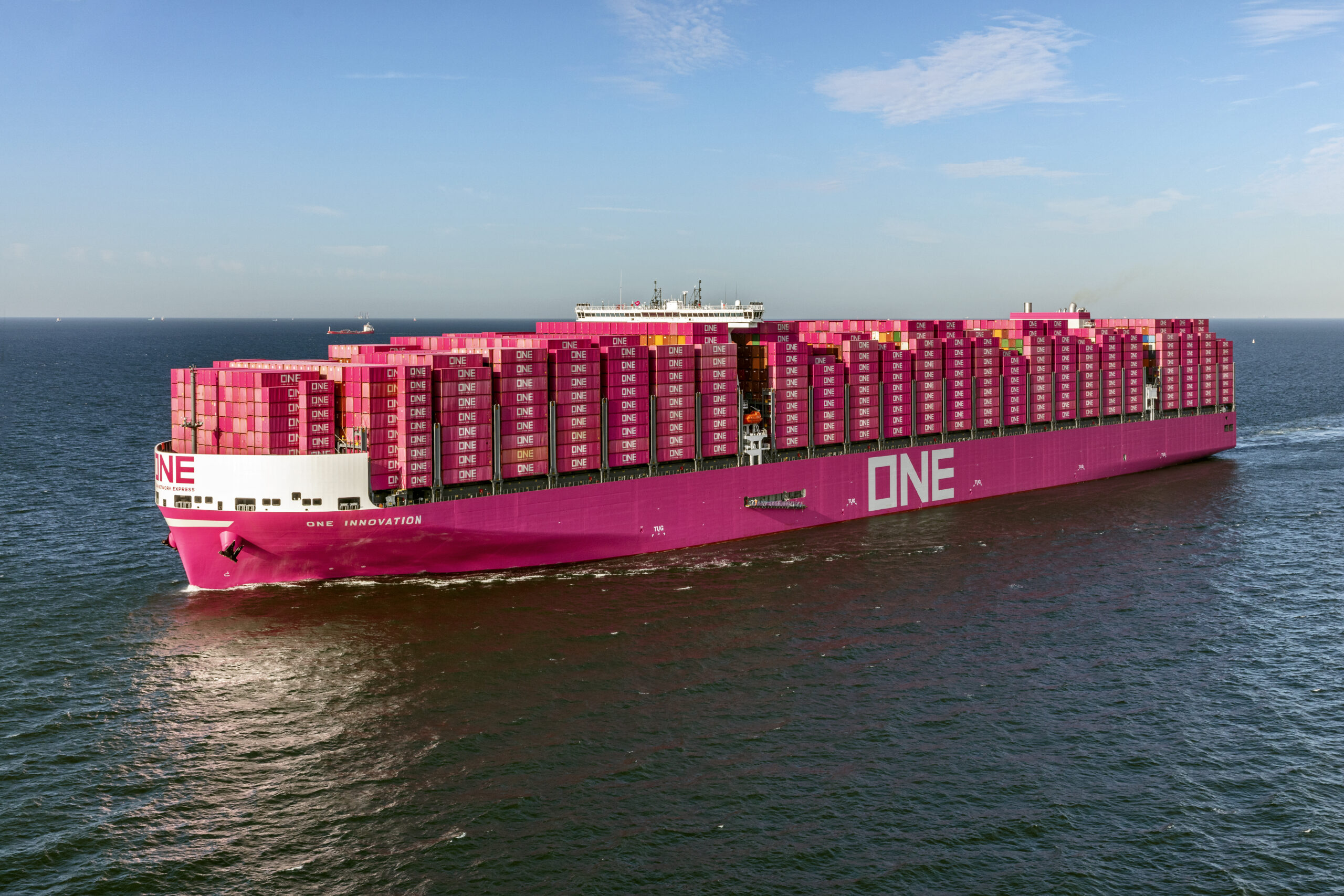
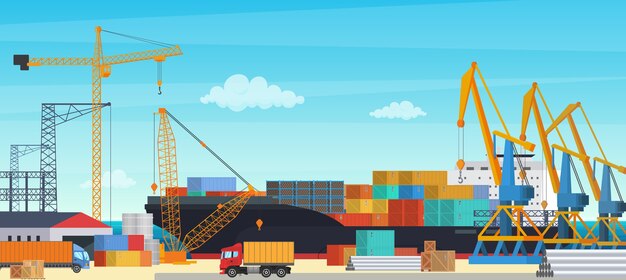
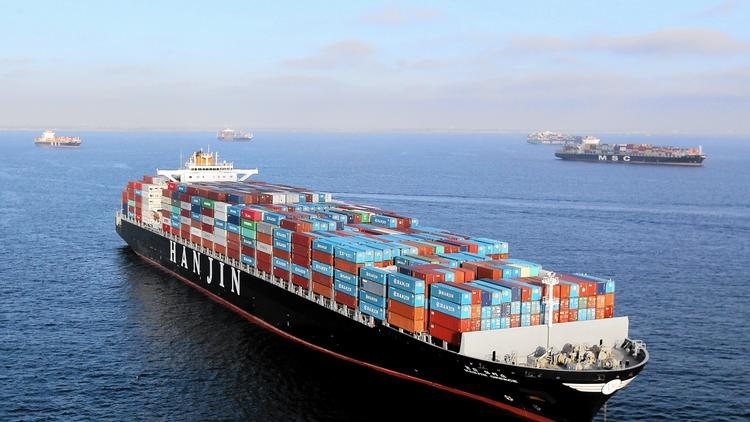
Minus vessels or ships a port will be useless. We know what a port is and its types, now let’s dive into what a ship or vessel is, the types and its functions. A ship is a large boat for transporting people or goods (cargo) by sea as defined by the Oxford dictionary. Vessels come in all shapes and sizes and are designed to carry a wide variety of cargoes. Below are some of the main types of ships. Dry Cargo Ships Dry cargo vessels were the backbone of the world’s merchant fleet. Known as general cargo vessels, These ships will mostly have four or five holds (a hold is the cargo space in a ship), with one or, in a few cases, two holds aft(behind ) of the engine room, and four to five holds generally forward of the engine room. They have long protruding ropes for lifters by each hold. These lifters are used to load and unload the cargo. The cargo is usually packaged and moved as single parcels, or assembled together on pallet boards. Stevedores go down into the holds to hook up the cargo to be lifted out. Some general cargo ships may also have refrigerated spaces for perishable cargo. The average general cargo ship is about 500 feet long. Bulk CarriersLike general cargo ships, bulk carriers will have large hydraulic hatches covering the holds, but will not have any overhead ropes. Bulk carriers are used for things such as grain, ore, wood chips, etc, that can be poured down into a hold. For loading, cranes with grabs are the norm although specialized equipment may be used for certain cargoes. When vessels unload using cranes and grabs, personnel and vehicles will often be placed inside the holds to assist the process. Cargo will usually be unloaded into hoppers and will then be transferred by conveyor to silos or open storage, smaller vessels may discharge directly into road vehicles. Container VesselsThese ships are designed to carry large steel containers that are usually 20 feet or 40 feet long, eight feet wide and eight feet tall. These ships are loaded and offloaded by large cranes to and from trucks. There are some that are also designed where the bow opens up and barges are pulled in that have containers on them. Container ships are limited to ports that have container terminals. The advantage of using containers is that all the cargo in each container will be destined for some location away from the port taken there by either truck or rail. This does away with the warehouses that are needed for general cargo ships where the cargo is divided up and loaded into truck trailers or railcars. Container ships come in many different sizes; some now are incredibly huge. Reefer VesselsThey’re ships designed to carry a refrigerated cargo usually comprising of perishable goods such as fruit or meat. The cargo is stuffed in holds which are sealed with temperature controlled. Traditional reefer vessels have been largely replaced by the use of reefer containers which may be carried on board a container vessel. Reefer containers only need a power source to function although they are usually loaded to allow the crew to inspect them during the voyage. Ro-Ro VesselsRoll on-Roll off or Ro-Ro vessels come in many forms including vehicle ferries and cargo ships carrying truck trailers but the major type used for the transport of road vehicles is the car carrier. These slab-sided vessels feature multiple vehicle decks comprising parking lanes, linked by internal ramps with access to the shore provided by one or more loading ramp. Cargo capacity of such vessels is measured in Car Equivalent Units (CEU) and the largest car carriers afloat today have a capacity of over 6,000 CEU. Liquid Cargo ShipsThese vessels, collectively known as tankers, are little more than oil drums with an engine. Tankers were first developed in the mid nineteenth century when the use of iron allowed liquids to be carried in bulk economically and without leakage. Tankers are divided into separate tanks into which the cargo is pumped using a pipeline system. Modern tankers have large and separated ballast tanks to allow them to sit lower in the water on the return ’empty’ journey to improve stability. Many tankers also feature systems to add an inactive gas to the tanks to reduce the risk of fire and explosion. Product CarriersThey are generally smaller than crude carriers, transport the refined products from larger terminals to smaller ports around the world. Products carried can include petroleum, jet fuel, diesel, asphalt, lubricating oil and tar. Smaller tankers are also used to transport non-petroleum bulk liquids such as molasses and palm oil. Passenger (Cruise) VesselsPassenger’s vessels include everything from 10 person foot ferries up to cruise ships that carry over 6,000 passengers. Maybe it’s the most specialized cargo of all, the needs and desires of passengers have driven the design of the modern ferries and cruise vessels. Ferries, once seen as ‘a means to an end’ for most, are now lavishly equipped with lounges, restaurants, shops and entertainment facilities, particularly when the ferry is on a relatively long route. Today, cruise passengers demand and expect a wide range of facilities including casinos, gymnasiums, shops, theatres, cinemas, pools, restaurants and bars. The largest cruise vessels can be up to 360 m. long and 60 m. wide. Popular cruising areas are the Mediterranean, Caribbean and Scandinavia. TugsThe tug is vital to the maritime industry. Modern tugs are highly seaworthy with pulling power of 100 tonnes in excess, although harbor tugs are generally much less powerful, they are on hand in ports around the world to assist in the berthing, and movement of large or less seaworthy vessels within port limits. Tugs are also used to assist vessels during periods of bad weather or when carrying dangerous or polluting cargoes. Harbor tugs are also often employed to move barges, floating cranes and personnel around ports. Larger units are kept on standby in strategic locations to